



Tokyo, Japan


How to Apply
- Determine which course you intend to take on the program.
- Submit required Undergraduate Academic Advising Form.
- Complete application to specific Hub course with the following:
- $200 application fee (non-refundable)
- Signed Undergraduate Academic Advising Form
- Wait for decision email.

All program information is subject to change.
Location & Partner
Tokyo, Japan
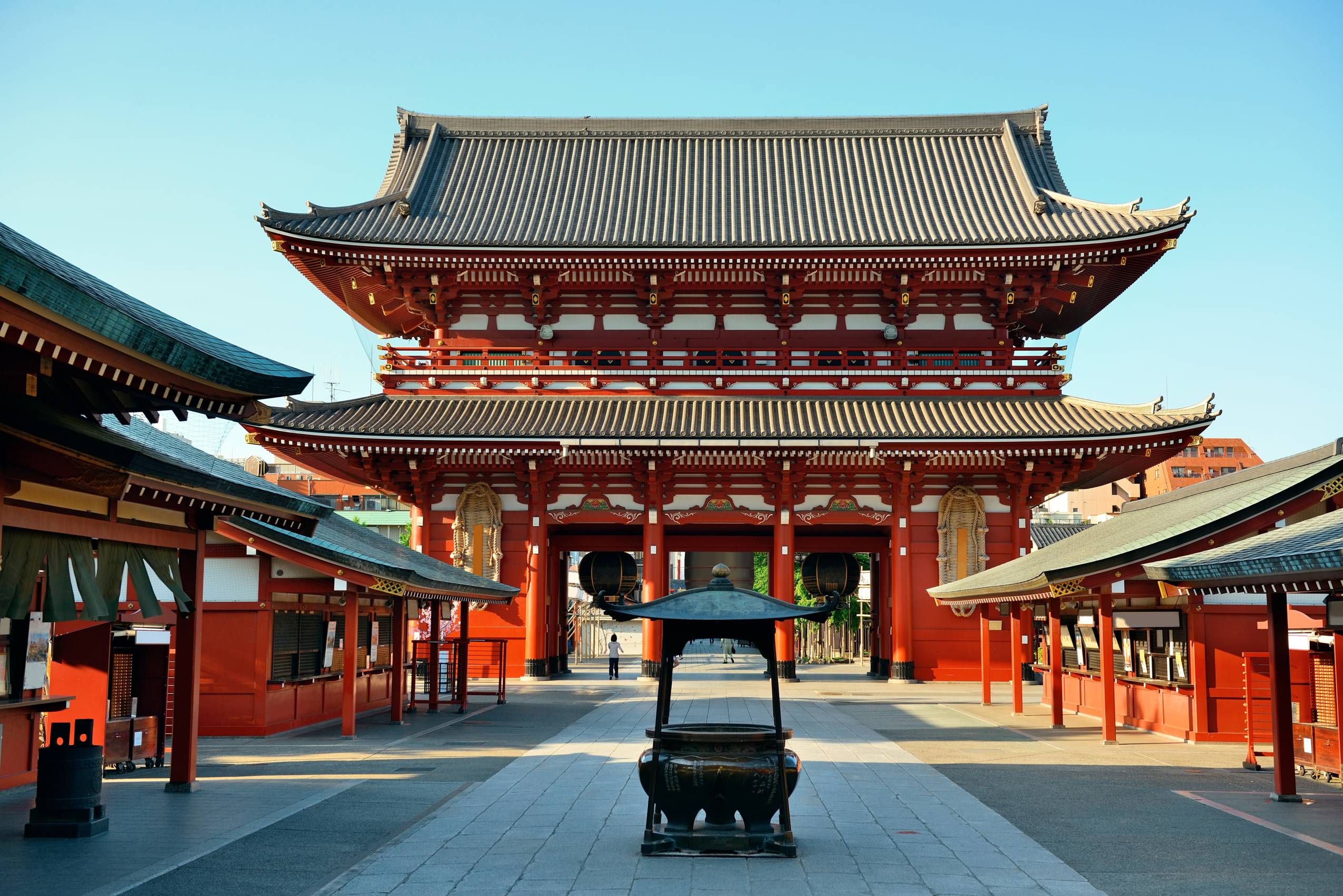
As the vibrant capital of Japan, Tokyo is located on the eastern coast of Honshu and is renowned for its blend of tradition and innovation. Known for its rich cultural heritage, world-class cuisine, and cutting-edge technology, Tokyo offers visitors a unique mix of historic landmarks and modern attractions. Iconic sites such as the ancient Senso-ji Temple, and the bustling Shibuya Crossing make Tokyo one of the world’s most popular travel destinations.
Courses
CJ 4334 - Death Penalty in the US
Dr. Georgen Guerrero
This course examines the death penalty in the United States through legal, historical, empirical, and comparative frameworks. Students study the development of capital punishment, the constitutional doctrines that shape its application, and the major policy debates found across jurisdictions. The course analyzes case law, statutory structures, criminological data, and scholarly arguments representing multiple perspectives. Attention is given to procedural safeguards, variations in implementation, methodological approaches to studying capital punishment, and comparisons with other nations. The course emphasizes analytical evaluation that equips students to interpret complex arguments related to criminal justice, procedure, and national comparisons on the death penalty
MC 4303 - International Advertising
Ms. Jenny Buschhorn
This course examines international advertising and marketing within the context of a global economy. Students study how firms design, adapt, and evaluate advertising strategies across national and cultural boundaries. Emphasis is placed on standardized and localized approaches, branding decisions, media selection, and marketing communications in diverse international markets. The course analyzes how economic, cultural, legal, and social factors influence advertising effectiveness and strategic decision‑making. Through case studies and comparative frameworks, students evaluate how organizations address challenges and opportunities associated with marketing products and services across countries while assessing the implications of cultural variation for advertising strategy.
The courses will be 5 weeks long, with 1 week of online coursework prior to travel, 3 weeks of in-person coursework in Tokyo, and 1 week of coursework after travel.
While abroad, class will be held Monday - Thursday in classrooms at a local workspace. Each course will aim to have around 10 students enrolled.
Please note that this program does not include any prearranged excursions or field trips, instead students are encouraged to explore their international location independently after class and on weekends.
TXST Hub faculty are encouraged to incorporate the international location and culture into the course to create a meaningful learning experience for the students.
Dates
Abroad
- Saturday, June 5th, 2027: Students arrive in Tokyo, Japan
- Saturday, June 26th, 2027: Students depart Tokyo, Japan
To Apply
- October 15th, 2026: Applications Open
- January 31st, 2027: Applications Close
Accommodation
Students will stay an apartment-style hotel located at MIMARU Tokyo Station East. While staying at MIMARU, students will share double-occupancy bedrooms, kitchette, and living room space.
MIMARU has an onsite laundry room and Wi-Fi. The hotel is within walking distance of the Hatchobori Station. Meals are not included with the hotel.



Cost
$200 Application Fee (non-refundable)
$300 Deposit (non-refundable)
$3,515 Program Fee Balance
$1,068.24 Tuition
$5,086.24
Airfare and Incidentals
Students should expect to pay the cost of airfare and incidentals such as food, souvenirs, tourist activities, etc. which are costs not paid to TXST.
Application Fee
This is a non-refundable fee that students will pay when applying to the program.
Deposit
This non-refundable deposit will be due by February 15th, 2027, and confirms the student's participation in the program.
Program Fee
This fee goes towards student accommodation. classroom use, and other program logistics while abroad. This will be due in May of 2027.
Tuition
Undergraduate students will pay $1,068.24 to earn credit for the 3 credit hour class they take while abroad. This will be due in May of 2027.
Transportation
Arrival and Departure
Students will be expected to secure their own transportation from the Tokyo airport to the MIMARU hotel on program arrival and departure days.
During the pre-departure orientations, students will be given guidance on this.
To the City Center
Students can walk to Hatchobori Station and utilize the Tokyo Metro to explore other areas of the city.
To Class
Students can take the Tokyo metro for around 10 minutes to where their classes will be held.
Student Expectations
Academic
Students on the Hub Program are expected to maintain a high standard of academic performance and integrity while abroad. While abroad students should expect to attend all classes, complete assignments on time, and actively participate in their coursework. Students should prepare to proactively manage their time and balance academic responsibilities with their free time during the program.
Behavior
As a participant on the Hub Program, students are expected to exhibit behavior that reflects positively on themselves and Texas State University. Students should demonstrate mature, responsible, and respectful behavior at all times while on the program. This includes respecting the cultural norms of the host country, being kind to fellow students and faculty, and treating classroom and living spaces with consideration. Upholding these standards will help ensure a successful program experience for everyone involved.
Physical and Mental Health
Students on the Hub Program are expected to prioritize their physical and mental health while abroad. This includes maintaining a physically healthy lifestyle by eating well, staying hydrated, taking necessary medication, and getting enough sleep. Students should be prepared for the physical demands of their new environment, such as different climates, terrain, or levels of activity.
Equally important is prioritizing mental health while abroad. Adjusting to a new culture and environment can be hard, and it's normal for students to experience some anxiety, culture shock, or homesickness during their time abroad. Students should prepare to experience these challenges during the program and develop a plan on how best to prioritize their own mental well-being while on the program.